Soft Summer hair color is less about finding one approved shade than avoiding the few things that usually overwhelm a softly colored face: hard darkness, bright gold, and high-shine intensity. The most convincing result tends to look quietly coherent rather than newly invented. Think of a color that makes the eyes and skin easier to notice, not hair that arrives in the room several seconds before the person does.
Read Soft Summer as a level of softness, not a rulebook
Seasonal color labels can be useful shorthand, but they are not a diagnosis. In practice, people who identify with Soft Summer often prefer cool-to-neutral color, gentle contrast, and a slightly smoky finish. Their natural roots may range from dark blonde to medium brown; the common thread is usually that extreme warmth or a very inky shade feels disconnected. That observation is more valuable than trying to prove a category from a single online chart.
Look at your face with the hair pulled back in daylight. If a muted rose, dusty blue, or soft taupe makes the skin seem even while bright orange or stark black takes over, that is a useful clue about the kind of hair color that may feel comfortable. It does not mean you cannot wear warmth at all. It means warmth usually needs to be softened, and contrast needs to be chosen deliberately. Hair is a large field of color beside the face, so small shifts matter more here than they do in a scarf.
Choose depth before choosing the name of the shade
“Mushroom blonde” and “ash brown” sound specific, yet each can be mixed at several depths. Start with the value that already looks believable at your root. Going one or two levels lighter can add air around the face; going much lighter can make naturally soft features seem washed out unless there is enough dimension left behind. Going darker can be elegant, but a near-black solid color often creates a graphic outline that fights the low-contrast effect many Soft Summer people enjoy.
A root shadow can make a lighter plan feel less artificial because it preserves a familiar frame at the scalp. It also gives regrowth a calmer transition. Ask to see swatches held against your jaw rather than only on a white salon towel. White makes almost every cool shade look cleaner than it will beside skin. A useful shade should keep its balance when you step away from the mirror lights and look from a normal conversational distance.
Blonde, brown, and muted red options behave differently
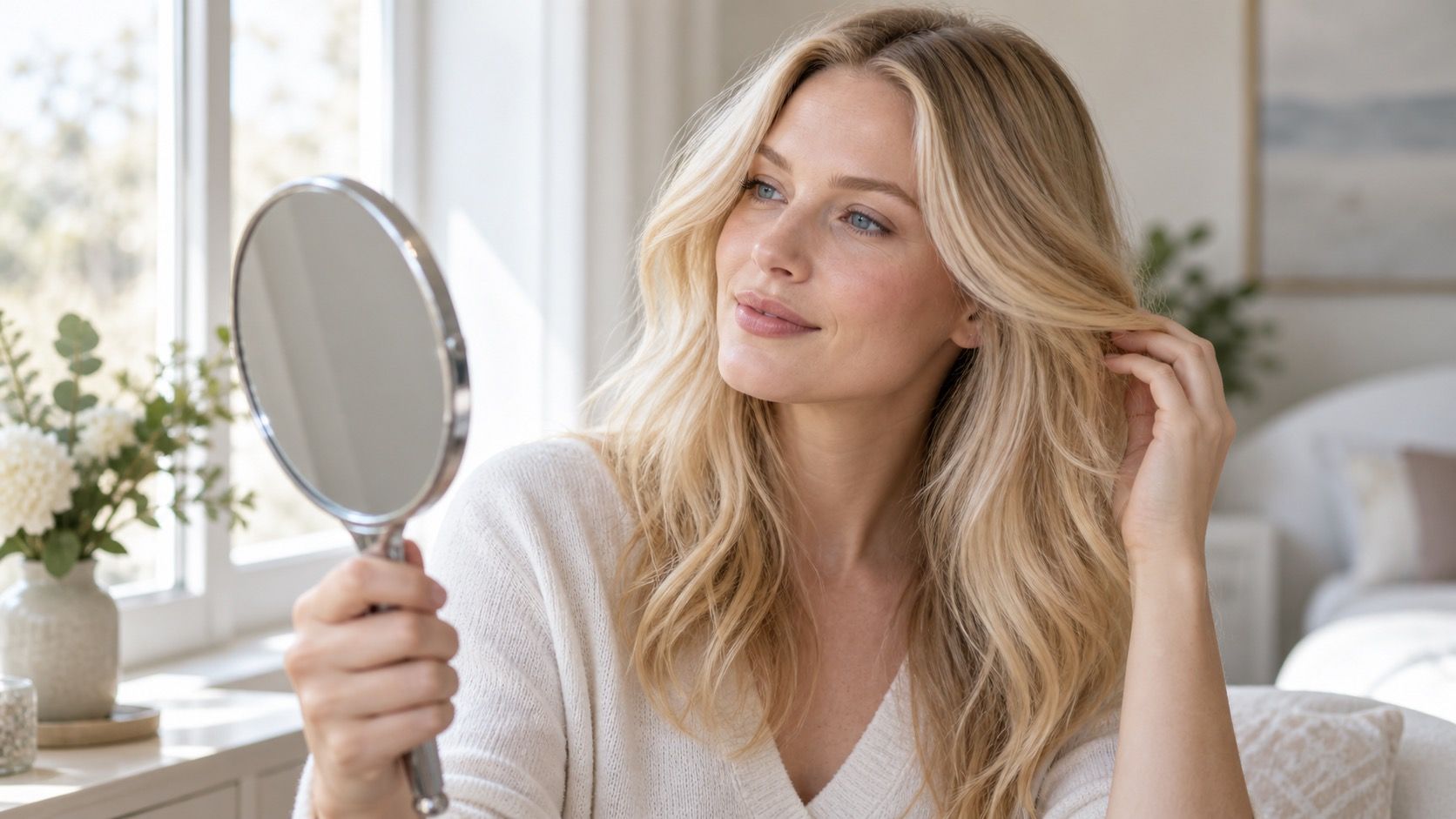
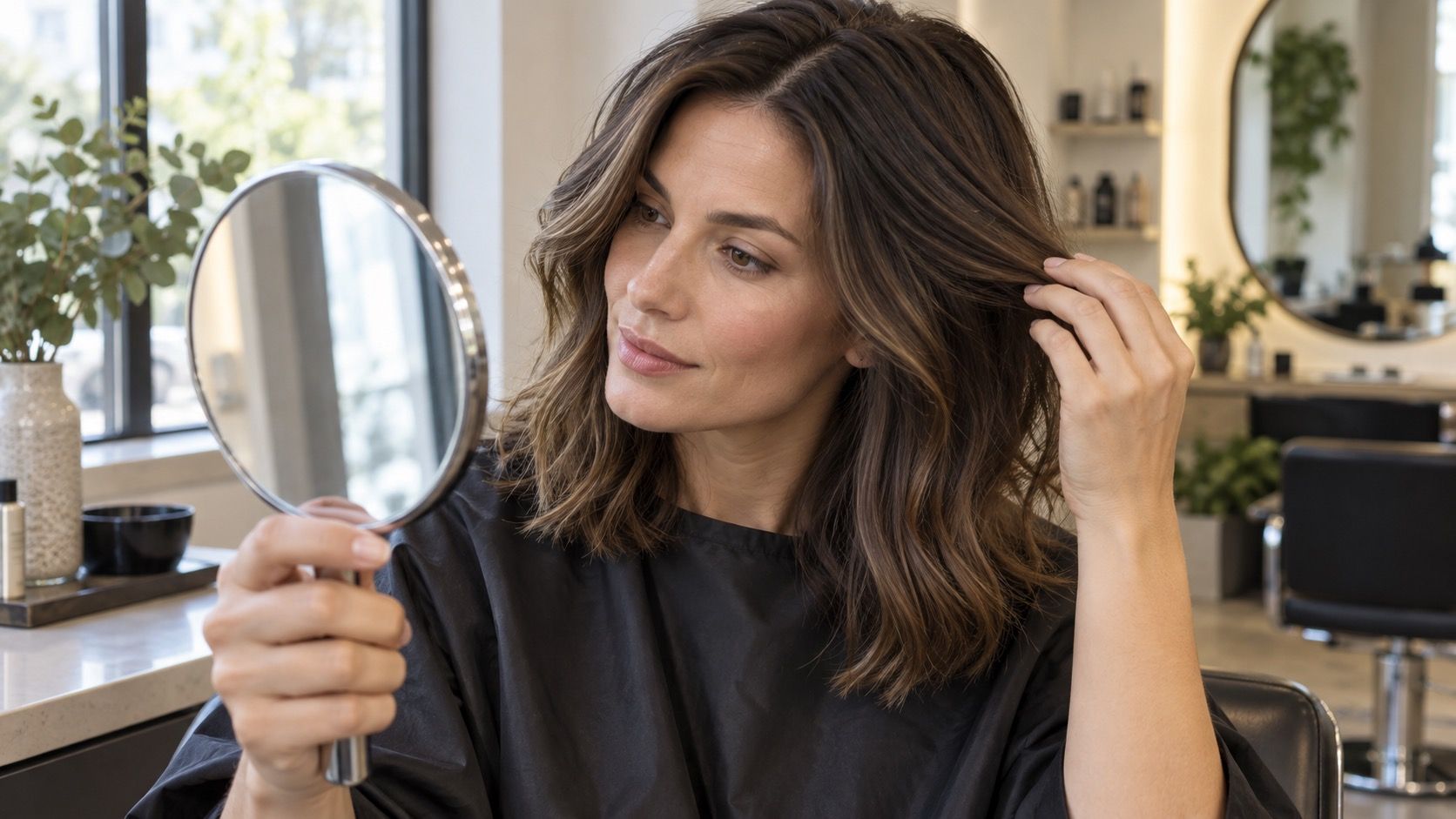
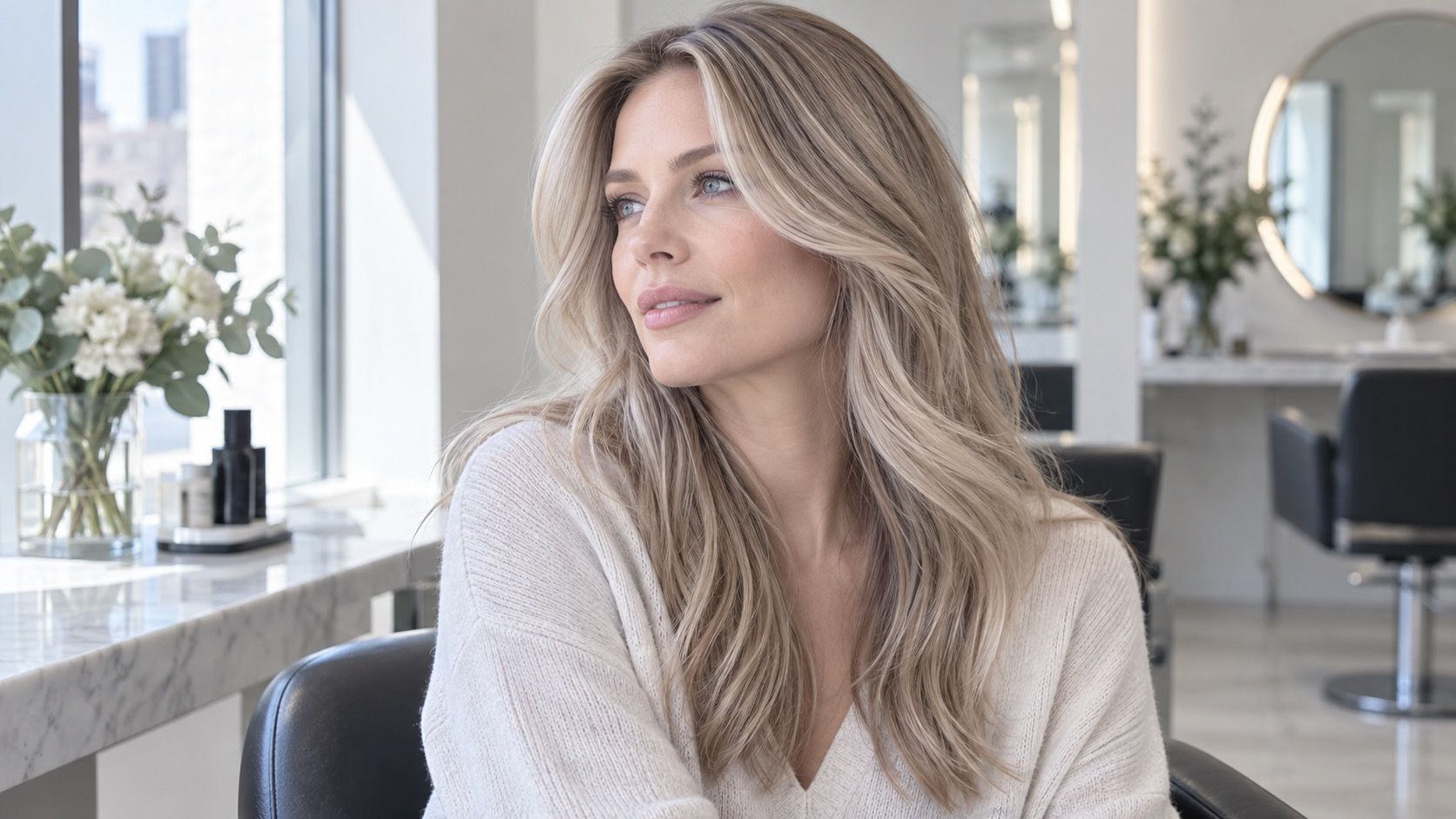
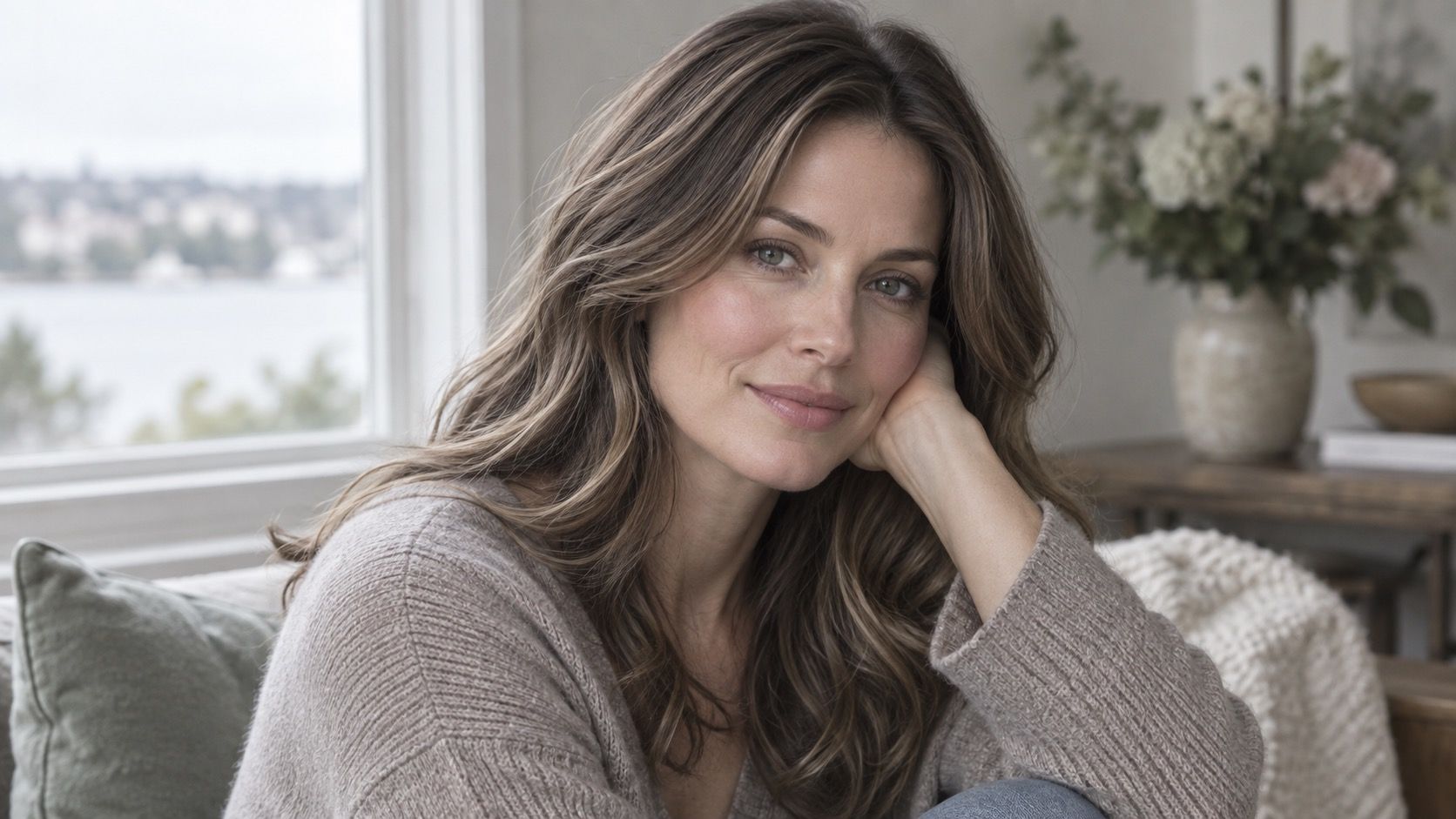
For blonde, look toward smoky beige, pearl-leaning dark blonde, or a soft neutral blonde with cool ribbons rather than bright yellow brightness. The goal is reflected light without a brass band around the face. For brown, mushroom, taupe brown, cool cocoa, and softened ash can give depth while still leaving movement. A few fine lighter pieces work better than sharply striped highlights when the overall look is meant to stay muted.
Soft copper is possible, but it needs the most restraint. Rather than a clear orange or a vivid auburn, imagine a rose-brown or muted cinnamon veil over a cool base. It should read as warmth folded into brown, not as a bright red announcement. This is where reference photos can mislead: many images labelled “soft copper” are photographed in golden light. View the image in neutral daylight before deciding whether you like the actual tone or simply the sunset effect.
| Color direction | Why it can suit a soft palette | Watch for |
|---|---|---|
| Mushroom blonde | Gives lightness without strong yellow. | Too much gray can make the face look tired. |
| Cool cocoa brown | Adds depth while keeping contrast moderate. | Very dark glosses can read almost black indoors. |
| Soft ash brown | Works well with natural medium roots and grey blending. | An overly matte formula can look flat without dimension. |
| Rose-brown or muted copper | Adds warmth without a loud orange effect. | Fading can expose more gold than the original finish. |
Keep warmth from quietly taking over
Warmth often arrives after the appointment, not on day one. Lightened hair reveals underlying gold as toner fades, and porous ends may release cool pigment first. That is why a beautiful cool beige can become butter-yellow after several washes if the maintenance plan was never discussed. This is not a failure of the original shade; it is normal color behavior. The practical question is whether you are happy to refresh the tone, and how often.
Use a color-safe shampoo and ask a stylist which product category suits your hair rather than buying the strongest purple formula on the shelf. Too much violet pigment can leave pale or porous areas looking dull, especially around the ends. A gloss appointment, used when the color begins to feel warmer or less polished, is often a gentler way to restore balance. Photograph your hair outside every few weeks. The camera is not perfect, but it helps you notice gradual warmth that daily mirror checks miss.
Build in dimension instead of chasing a flat cool tone
Softness does not mean one uniform shade. In fact, a solid ash formula can look severe where fine low-contrast dimension would look natural. A slightly deeper root, a few muted mid-lengths, and restrained brightness at the front create movement without turning the hair into a highlight map. This approach is particularly helpful for grey blending: rather than covering every silver hair with one opaque color, a mixed placement lets the natural variation look intentional as it grows.
Bring references that show hair in movement and in daylight, not only glossy studio waves. Tell the colorist which parts you want to feel quiet: the root, the front hairline, or the overall brightness. That specificity helps them choose between a root melt, fine foils, balayage, or a simple gloss. The best hair color for Soft Summer is usually the one whose maintenance and contrast match your habits, not the palest or coolest image saved to a phone.
Make the maintenance plan part of the color choice
Before committing, ask how the shade will grow out, what will fade first, and whether your natural root will create a harsh line. A low-maintenance Soft Summer hair color often keeps the root close to natural and puts its refinement in tone rather than dramatic lift. That can mean fewer major appointments and more occasional glosses, which is a sensible trade for anyone who wants the hair to look considered between visits.
Give the color a fair test in the clothes you actually wear. A shade that looks exquisite with a pale salon cape may feel too cool with your everyday black coat, or perfectly balanced with your usual grey knit. If it makes routine choices easier and you still like it under a cloudy sky, it has done more than match a theory. It has become your color.